Eye infections are more common than you might think, and they can range from mild to severe.
Whether you’ve had a sore, red eye or a more serious infection affecting your vision,
understanding the causes, symptoms, and treatment options is key to maintaining eye health. In
this article, we’ll explore what causes eye infections, how to identify them, and the steps you
can take to treat and prevent them.
What Are Eye Infections?
An eye infection occurs when germs, such as bacteria, viruses, fungi, or parasites, enter
the eye or surrounding area. Most infections are mild and clear up on their own or with simple
treatment, but some can be more serious and may need prompt medical attention to prevent
permanent damage to your eyesight.
Eye infections can affect the cornea (the clear front surface of the eye), the conjunctiva (the
thin lining covering the white part of the eye), or even deeper parts of the eye in rare cases.
The most common eye infection is infective conjunctivitis, also known as pink eye, which is
highly contagious and can affect people of all ages.
Symptoms of Eye Infections
Eye infections can vary in severity, but common symptoms include:
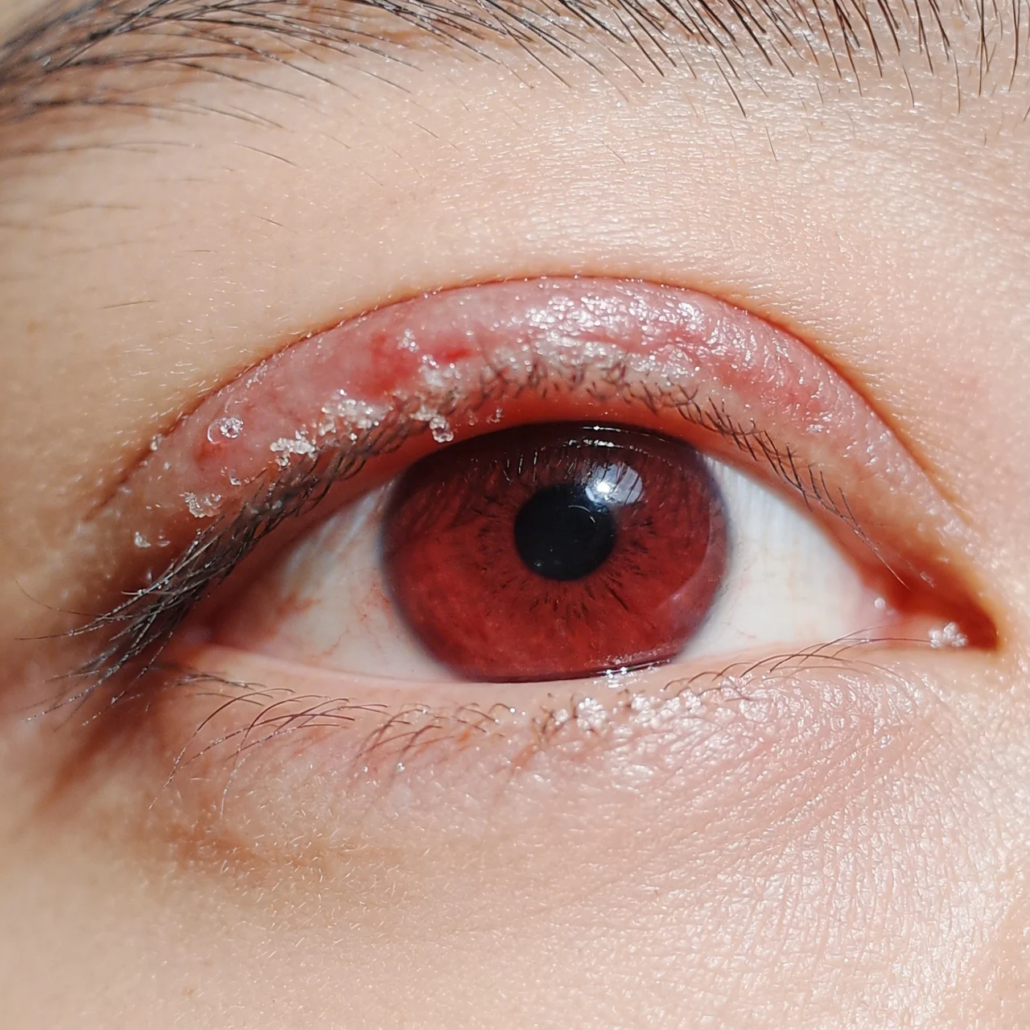
- Red or sore eyes: The whites of the eyes look pink or bloodshot.
- Sticky discharge: Watery discharge is common with viral infections; thick, yellow or green discharge often suggests a bacterial infection.
- A gritty feeling: A sensation as though there’s sand in your eye.
- Pain or soreness: This can range from mild irritation to more severe pain.
- Sensitivity to light: Bright light can cause discomfort.
- Blurred vision: Often due to discharge or swelling.
What Causes Eye Infections?
Eye infections typically occur when germs enter the eye, usually through contact with
contaminated hands or objects, or through an eye injury. Here are the most common causes:
- Viruses
Viruses are the most common cause of eye infections, particularly viral conjunctivitis (pink
eye). These infections are often linked to viruses that cause colds or sore throats. - Bacteria
Bacterial infections, caused by germs such as Staphylococcus or Streptococcus, can infect
the eye, especially if hygiene is poor or the eye is irritated. - Fungi
Fungal infections of the eye are rare but serious. These infections may occur after an eye injury
involving soil or plants or in individuals with weakened immune systems. - Parasites
Certain parasites, found in water, can cause severe infections in the cornea. This is most often
seen in contact lens wearers who use tap water to clean their lenses.
Who Is at Risk of Eye Infections?
Anyone can develop an eye infection, but you may be more at risk if you:
- Are a child or older adult, as the immune system can be less effective.
- Wear contact lenses, particularly if they are not cleaned or stored correctly or if you swim and shower with them in.
- Have a weakened immune system, such as from diabetes or some medications.
- Have had a recent eye injury, even a minor scratch.
- Touch or rub your eyes with unwashed hands.
How Are Eye Infections Diagnosed?
Your healthcare provider will assess your symptoms and may perform several tests to determine
the cause of the infection. Common diagnostic methods include:
- Medical history: The doctor will ask about your symptoms, contact lens use, recent illness, or eye injury.
- Vision test: This may involve reading from an eye chart to check if your vision isaffected.
- Slit-lamp examination: A special microscope with a bright light to look closely at theeye.
- Eye swab: A small sample of discharge may be taken if the infection is severe or notimproving.
- Pupil-dilating drops: These are sometimes used to check for infection deeper inside the eye.
Treatment of Eye Infections
The treatment for an eye infection depends on its cause. Here’s how different types of infections
are managed:
- Viral Infections
Most viral infections, like viral conjunctivitis, clear up on their own within 1-2 weeks. Treatment
focuses on comfort, including:
● Cold compresses to reduce swelling.
● Lubricating eye drops (artificial tears) for relief.
● Antiviral drops or tablets for specific viruses (e.g., herpes).
- Bacterial Infections
Bacterial infections are typically treated with:
● Antibiotic eye drops or ointment to clear the infection.
● Oral antibiotics if the infection spreads beyond the eye or affects deeper tissues.
- Fungal and Parasitic Infections
These are less common but serious and require specialist care. Treatment may include:
● Frequent antifungal or anti-parasitic eye drops.
● Hospital admission for close monitoring and intensive treatment.
Managing Eye Infections at Home
In addition to medical treatment, these steps can help you manage an eye infection at home
and prevent it from spreading:
● Clean gently: Wipe away discharge using cooled, boiled water and clean cotton wool.
● Stop wearing contact lenses: Avoid contact lenses until your symptoms fully clear.
● Avoid sharing items: Don’t share towels, pillows, flannels, or eye makeup.
● Wash your hands often, especially before touching your eyes or applying eye drops.
Possible Complications of Eye Infections
While most eye infections heal completely, untreated or delayed treatment can lead to serious
complications, including:
● Corneal ulcers: Open sores on the eye that can cause scarring.
● Permanent vision loss: Caused by scarring or internal eye damage.
● Orbital cellulitis: A dangerous infection of the tissues around the eye.
● Long-term irritation: Repeated infections can damage the eye’s surface.
When to Seek Medical Help
Most eye infections improve with treatment, but it’s important to seek medical help if:
● Symptoms do not improve after a few days.
● You experience severe or worsening eye pain.
● You have sudden vision loss or a major change in eyesight.
● You become extremely sensitive to light.
● There’s significant swelling or redness around the eye.
● You have a high fever or feel very unwell.
For contact lens wearers, it’s essential to seek help early to avoid complications.
FAQs
Can I go to work or school with an eye infection?
If your infection is contagious, such as conjunctivitis, it’s best to stay home until the discharge
has cleared to prevent spreading it to others.
Should I throw away my eye makeup after an infection?
Yes. Germs can survive on makeup and brushes. Discard any eye makeup used during the
infection.
Are all red eyes caused by infection?
No, red eyes can also be caused by allergies, dry eyes, or irritants like smoke or chlorine.
Infections typically cause discharge, pain, or vision changes.
Can eye infections damage my eyesight permanently?
Most eye infections do not cause permanent damage, but serious infections can if left untreated.
Can contact lenses cause eye infections?
Yes, poor lens hygiene is a common cause. Always clean and store lenses properly and never
use tap water or swim with your lenses in.
Do I always need antibiotics?
No. Antibiotics only work for bacterial infections. Viral infections usually improve with self-care
and time.
How long should symptoms last?
Mild infections typically improve within a few days. If symptoms worsen or last longer than a
week, seek medical advice.
Eye infections are a common issue that can affect anyone, but with the right care, they are
generally treatable. If you experience symptoms like redness, discharge, or pain, it’s essential to
get the correct diagnosis and follow treatment instructions. By practising good hygiene and
seeking early treatment, you can prevent complications and protect your eyesight. Stay aware
of the signs, and remember, if in doubt, always consult a healthcare professional.
Have you ever experienced an eye infection? Share your story or ask any questions in the
comments below! Don’t forget to wash your hands regularly and practice good eye hygiene to
keep your vision healthy.