Call Maxine, Mr Gangwani’s private secretary: 07307 267033 · Monday to Friday, 9am to 5pm
Call Maxine, Mr Gangwani’s private secretary: 07307 267033 · Monday to Friday, 9am to 5pm
Patient guide
A cataract is a clouding of the natural lens inside your eye. It usually develops slowly with age, and surgery is the only treatment that restores clear sight.
Why it happens
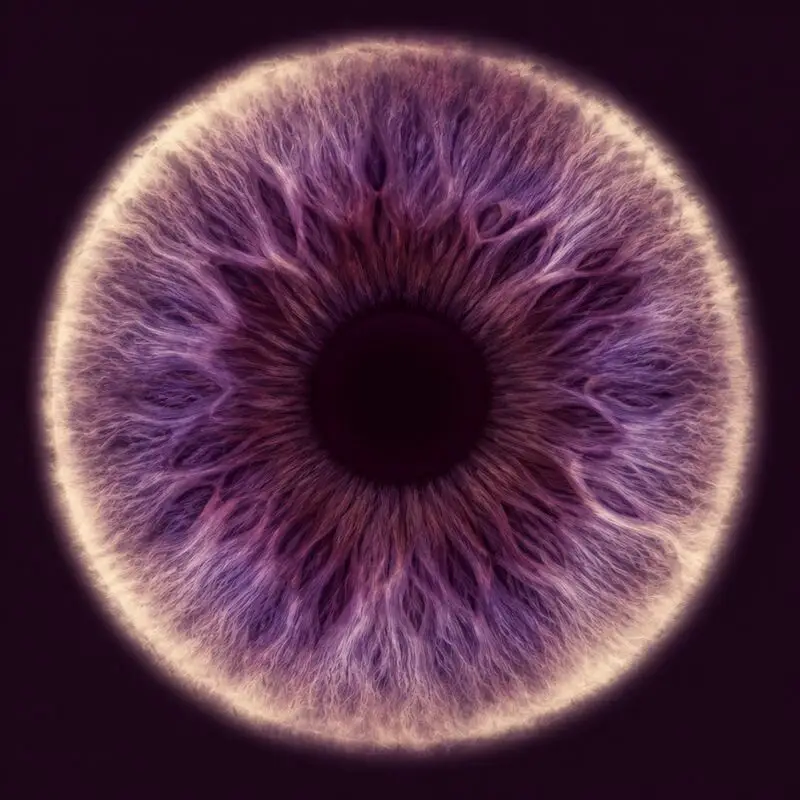
As we get older, proteins in the lens of the eye clump together. The lens gradually becomes cloudy and can turn yellow or brown, a little like looking through a misted window.
Cataracts are more common with age, but they can also follow an eye injury or develop alongside other conditions such as diabetes.
Types
Linked with ageing. It starts in the centre of the lens, which can turn yellow, and mainly affects distance vision.
Forms at the back of the lens, in the path of light. More often seen in people with diabetes. It can make reading harder and cause glare or halos at night.
Begins as white, wedge-shaped streaks at the edge of the lens and works inwards, scattering light as it reaches the centre.
Treatment
Once a cataract starts to interfere with everyday things such as driving, reading or watching TV, it is worth talking to a specialist. Cataract surgery replaces the cloudy lens with a clear implant, and the type of implant you choose decides how much you rely on glasses afterwards.
Initial consultation £250 at the hospital or clinic nearest to you, usually within two weeks.