
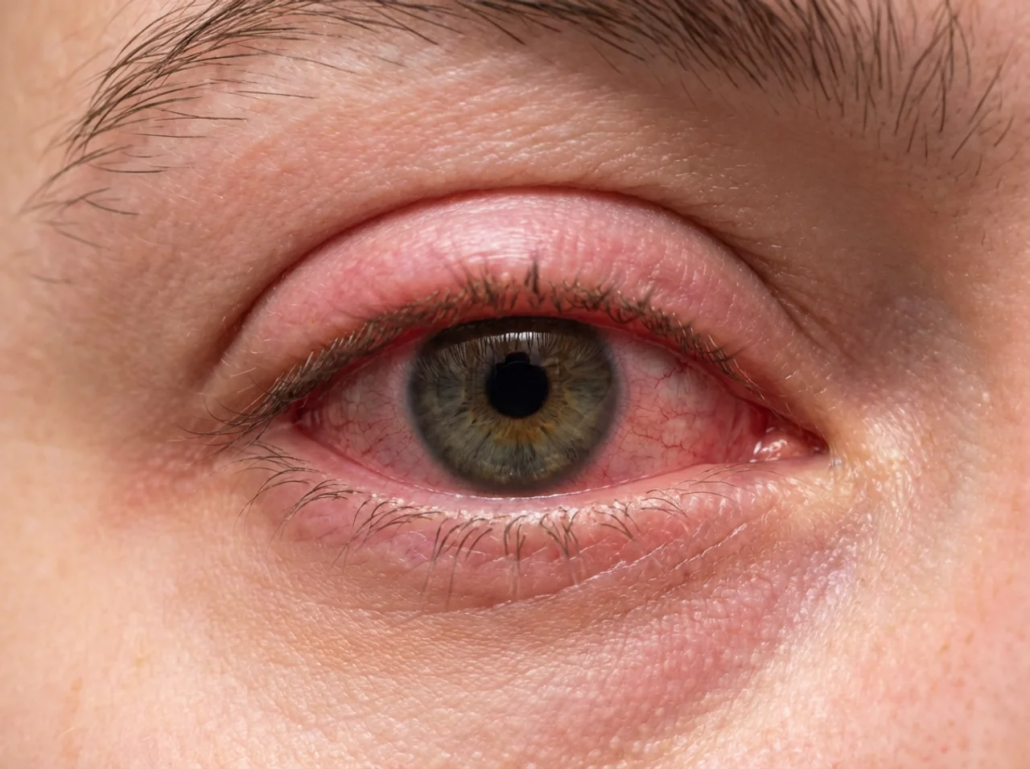
Conjunctivitis, more commonly known as pink eye, is one of the most frequent eye conditions
affecting people of all ages. It’s often uncomfortable, causing redness, irritation, and discharge,
but in most cases, it’s easily treatable and doesn’t cause long-term damage. Whether it’s
caused by bacteria, viruses, allergies, or irritants, this article will walk you through everything
you need to know about conjunctivitis, from the symptoms and causes to treatment options
and prevention tips. Let’s get started on how to keep your eyes healthy and avoid spreading this
highly contagious condition!
What Is Conjunctivitis?
Conjunctivitis, or pink eye, is an inflammation of the conjunctiva, which is the thin, clear
membrane that lines the white part of your eye and the inside of your eyelids. When this
membrane becomes inflamed, it makes the blood vessels more visible, causing the eye to
appear red or pink.
Conjunctivitis is extremely common and can affect anyone, but it’s especially prevalent in
children. While most cases are mild and clear up within a few days to two weeks, some types of
conjunctivitis can be contagious, making it important to practice good hygiene to avoid
spreading it.
There are two main types of conjunctivitis:
● Infectious conjunctivitis, caused by viruses or bacteria.
● Non-infectious conjunctivitis, caused by allergies or irritants.
Symptoms of Conjunctivitis
Conjunctivitis symptoms can vary depending on the cause, but most individuals will experience
some or all of the following:
- Red or pink eye: The whites of the eye appear bloodshot or pink.
- Sticky or watery discharge: Viral infections typically cause watery discharge, while bacterial infections produce thicker yellow or green discharge.
- Crusty eyelids: Especially noticeable in the morning, when discharge has dried.
- Gritty or burning feeling: A sensation of something in the eye, like sand.
- Mild eye discomfort: This can range from slight irritation to more noticeable pain.
- Sensitivity to light: Bright light may cause discomfort or pain.
For allergic conjunctivitis, the symptoms often include:
- Intense itching: A key feature of allergic reactions.
- Puffy or swollen eyelids: Along with watery eyes in both eyes.
- Other allergy symptoms such as sneezing or a runny nose.
What Causes Conjunctivitis?
Conjunctivitis can be caused by several factors, with the most common being viruses,
bacteria, allergies, and irritants. Here’s a breakdown of each cause:
Viruses
Viruses are the most frequent cause of conjunctivitis, especially in the case of viral
conjunctivitis (pink eye). These viruses are often linked to the same viruses that cause colds
or sore throats. Viral conjunctivitis is highly contagious and spreads easily.
Bacteria
Bacterial conjunctivitis is caused by bacteria, often those found naturally on the skin or in the air,
like Staphylococcus or Streptococcus. This form is also highly contagious. Newborn babies
can be particularly vulnerable and need urgent medical care if they develop bacterial
conjunctivitis.
Allergies
Allergic conjunctivitis is triggered by allergens such as pollen, dust mites, or animal hair.
This form is not contagious and usually happens alongside other allergy symptoms like
sneezing or a runny nose.
Irritants
Irritant conjunctivitis occurs when the conjunctiva becomes inflamed due to exposure to
chemicals (like chlorine in swimming pools), smoke, pollution, or something getting stuck in the
eye.
Who Is at Risk for Conjunctivitis?
Anyone can develop conjunctivitis, but the following factors increase the risk:
- Children, especially those in school or nursery settings, are more likely to develop viralor bacterial conjunctivitis.
- Contact lens wearers, particularly those who do not clean or store lenses properly, orwho swim or shower while wearing them.
- People with allergies like hay fever, asthma, or eczema.
- Those in close contact with someone already infected with conjunctivitis.
- Workers in dusty, smoky, or chemically polluted environments.
How Is Conjunctivitis Diagnosed?
In most cases, conjunctivitis is diagnosed easily by a healthcare professional without the need
for special tests. During the exam, they will:
- Examine your eyes and eyelids to check for typical symptoms.
- Ask about recent illness, allergies, or contact lens use.
- Ask how quickly symptoms started and whether one or both eyes are affected.
In more severe cases or if the infection lasts longer than expected, a healthcare provider may
take an eye swab to determine the exact cause of the infection.
Treatment for Conjunctivitis
Treatment for conjunctivitis depends on the underlying cause. Here’s how different types are
treated:
Viral Conjunctivitis
Viral conjunctivitis usually clears up on its own within 1–2 weeks. Antibiotics are not effective
for viral infections, so treatment typically focuses on symptom relief, including:
- Cold compresses to reduce swelling.
- Lubricating eye drops (artificial tears) to soothe discomfort.
- Antiviral drops or tablets for certain viruses, like herpes.
Bacterial Conjunctivitis
Bacterial infections are typically treated with:
- Antibiotic eye drops or ointment to clear the infection.
- Oral antibiotics if the infection spreads beyond the eye.
Allergic Conjunctivitis
For allergic conjunctivitis, treatment focuses on reducing the allergic reaction:
- Antihistamine eye drops to reduce itching.
- Mast cell stabilisers to prevent inflammation.
- Oral antihistamines if other allergy symptoms are present.
- Steroid eye drops for more severe allergic reactions.
Irritant Conjunctivitis
Treatment involves removing the irritant and using lubricating eye drops to soothe the eyes.
Managing Conjunctivitis at Home
In addition to medical treatment, these steps can help manage symptoms and support recovery:
- Clean your eyes gently: Use cooled, boiled water and clean cotton pads. Wipe from the inner corner outward, using a fresh pad for each eye.
- Apply compresses: Use a cool or warm damp flannel over closed eyelids to reduce discomfort.
- Use lubricating eye drops: Artificial tears help soothe dryness and irritation.
- Avoid wearing contact lenses: Stop using lenses until symptoms clear, and dispose of soft lenses used during the infection.
How to Prevent the Spread of Conjunctivitis
To prevent spreading viral or bacterial conjunctivitis, follow these hygiene tips:
- Wash your hands regularly with soap and water, especially after touching your eyes.
- Avoid touching or rubbing your eyes.
- Don’t share towels, pillows, flannels, or eye makeup.
- Wash bedding and towels regularly at a high temperature.
Good hygiene is key to preventing the spread, but you generally don’t need to stay off work or
school unless you feel unwell.
Outlook for Conjunctivitis
Most cases of conjunctivitis resolve within a few days to two weeks without affecting eyesight.
The prognosis is generally very good, though complications can arise if the infection spreads to
the cornea (the clear front part of the eye). Prompt treatment significantly reduces the risk of
complications.
When to Seek Medical Help
You should consult a GP, optician, or pharmacist if:
- Symptoms don’t improve after a week.
- Symptoms worsen instead of improving.
- Symptoms occur while wearing contact lenses.
Seek urgent medical help (A&E) if you experience:
- Moderate or severe eye pain.
- Sudden changes in vision.
- Extreme sensitivity to light.
- Severe redness in one eye.
- Symptoms in a newborn baby (under 28 days old).
FAQs
Is conjunctivitis contagious?
Yes, viral and bacterial conjunctivitis are contagious and spread through touch. Allergic and
irritant conjunctivitis are not contagious.
Can I wear makeup if I have conjunctivitis?
No, eye makeup can hold germs and may lead to reinfection. Discard any makeup used during
the infection.
How long am I contagious?
You are usually contagious while there is active discharge. Practising good hand hygiene helps
reduce the spread.
Can children go to school with conjunctivitis?
Most children do not need to stay off school unless they feel unwell, but hygiene is crucial to
prevent spreading the infection.
Do antibiotics always help?
No, antibiotics only work for bacterial conjunctivitis and are not needed for viral or allergic
conjunctivitis.
Can conjunctivitis damage my eyesight?
It is very rare. With prompt treatment and medical advice, most cases of conjunctivitis do not
cause permanent damage.
Conjunctivitis, while common and often uncomfortable, is usually a mild condition that can be
managed effectively. Understanding the symptoms, causes, and treatments will help you take
the right steps for recovery and prevent spreading the infection to others. If in doubt, always
consult a healthcare professional for guidance.
If you have questions about your eyes, book a consultation with Mr Gangwani.