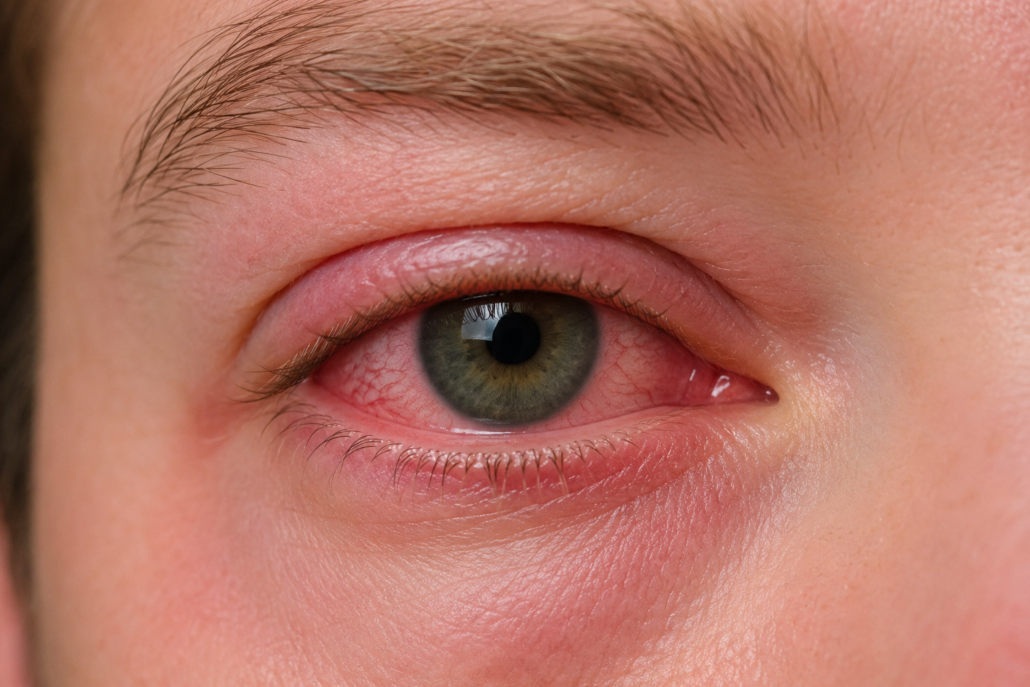
Itchy, watery and red eyes are often dismissed as a minor irritation, particularly during spring and summer. However, for many people, these symptoms are linked to allergic eye disease, a common condition that can significantly affect comfort, vision and day to day life. Also known as allergic conjunctivitis, this condition occurs when the immune system reacts to allergens such as pollen, dust mites, mould or pet dander.
Unlike infectious conjunctivitis, allergic eye disease is not contagious. Instead, it is caused by an inflammatory response within the eye. While symptoms may be mild for some individuals, others can experience persistent discomfort, light sensitivity and even changes to vision if the condition becomes severe or chronic.
Mr Vinod Gangwani, an experienced ophthalmic surgeon with specialist expertise in corneal diseases and advanced eye surgery, regularly treats patients with a wide range of eye conditions, including allergic eye disease. Having gained extensive experience at the prestigious Moorfields Eye Hospital, he now provides specialist corneal and ophthalmic care in Surrey, helping patients manage both routine and complex eye problems with personalised treatment plans.
This article explains the different types of allergic eye disease, common symptoms, causes and the most effective treatment options available.
What Is Allergic Eye Disease?
Allergic eye disease refers to a group of inflammatory conditions affecting the conjunctiva, which is the thin clear layer covering the white part of the eye and the inner eyelid. The condition develops when the immune system overreacts to harmless substances in the environment known as allergens.
When allergens come into contact with the eyes, the body releases histamines and other inflammatory chemicals. This reaction leads to symptoms such as itching, redness, swelling and excessive tearing.
For many people, allergic eye disease occurs alongside other allergic conditions such as hay fever, eczema or asthma. Symptoms usually affect both eyes at the same time and can vary in severity depending on the individual and the type of allergy involved.
Types of Allergic Eye Disease
There are several forms of allergic eye disease, ranging from mild seasonal irritation to more serious inflammatory conditions that require specialist care.
Seasonal Allergic Conjunctivitis
Seasonal allergic conjunctivitis is the most common type of eye allergy. It is usually triggered by pollen from trees, grasses and weeds during spring, summer and early autumn.
Patients often notice symptoms becoming worse outdoors or during periods of high pollen count. The eyes may become intensely itchy, watery and red, while the eyelids can appear swollen or puffy. Many individuals with seasonal allergic conjunctivitis also experience sneezing, nasal congestion and other hay fever symptoms.
Although this form of allergic eye disease is generally mild, recurring symptoms can still interfere with daily activities and overall comfort.
Perennial Allergic Conjunctivitis
Perennial allergic conjunctivitis occurs throughout the year rather than during a specific season. It is commonly linked to indoor allergens such as dust mites, mould spores and pet dander.
Symptoms are often milder than seasonal allergies but can become persistent and frustrating over time. Patients may experience ongoing irritation, redness and watering of the eyes, particularly when exposed to indoor triggers.
Because symptoms are chronic, many people do not immediately recognise that allergies are the underlying cause.
Vernal Keratoconjunctivitis
Vernal keratoconjunctivitis is a more severe and less common type of allergic eye disease. It mainly affects children and young adults, particularly boys with a history of asthma or eczema.
This condition can involve inflammation of both the conjunctiva and the cornea, making it potentially sight threatening if left untreated. Symptoms may include severe itching, light sensitivity, thick mucus discharge and blurred vision.
As vernal keratoconjunctivitis can affect the corneal surface, specialist ophthalmic care is essential to reduce the risk of long term complications.
Atopic Keratoconjunctivitis
Atopic keratoconjunctivitis is a chronic inflammatory eye condition often associated with eczema or dermatitis. It usually affects adults and can become persistent if not properly managed.
Patients may experience redness, burning, swelling of the eyelids and discomfort that continues throughout the year. In severe cases, the cornea may also become affected, increasing the risk of visual problems.
Early diagnosis and long term management are important in preventing complications associated with this condition.
Giant Papillary Conjunctivitis
Giant papillary conjunctivitis is commonly linked to contact lens wear. It occurs when the inner surface of the eyelid becomes irritated, leading to the formation of enlarged inflammatory bumps known as papillae.
Patients may notice increasing discomfort when wearing contact lenses, excessive mucus production and blurred vision. Improving lens hygiene and modifying contact lens use can often help relieve symptoms.
Common Symptoms of Allergic Eye Disease
The symptoms of allergic eye disease can vary depending on the type and severity of the condition. However, itching is typically the most noticeable and defining symptom.
Other common symptoms include redness, excessive tearing, burning sensations and swelling around the eyelids. Some patients also experience blurred vision or sensitivity to light, especially in more severe cases involving the cornea.
Unlike bacterial or viral conjunctivitis, allergic eye disease usually affects both eyes simultaneously. Symptoms may worsen after exposure to allergens or during particular times of the year.
What Causes Allergic Eye Disease?
Allergic eye disease develops when the immune system reacts to allergens in the environment. Common triggers include pollen, dust mites, mould, pet hair and smoke.
When these allergens enter the eye, immune cells release histamines and inflammatory chemicals. This process causes blood vessels in the eyes to enlarge, resulting in redness, swelling and irritation.
Some individuals are more prone to developing allergies due to family history or existing allergic conditions such as asthma or eczema.
Environmental factors can also play a role. For example, dry weather, increased pollen levels and indoor heating systems may worsen symptoms in sensitive individuals.
Allergic Conjunctivitis vs Infectious Conjunctivitis
Many people confuse allergic conjunctivitis with infectious conjunctivitis, often referred to as pink eye. However, there are important differences between the two conditions.
Allergic conjunctivitis is not contagious and is typically associated with intense itching and watery discharge. Infectious conjunctivitis, on the other hand, is caused by bacteria or viruses and often produces thicker yellow or green discharge.
Infectious conjunctivitis may begin in one eye before spreading to the other, whereas allergic conjunctivitis usually affects both eyes from the start.
An accurate diagnosis is important to ensure the correct treatment is provided.
How Is Allergic Eye Disease Diagnosed?
Diagnosis usually involves a detailed discussion about symptoms, medical history and possible allergy triggers. An ophthalmologist will examine the eyes carefully to look for signs of inflammation and irritation.
In some cases, additional allergy testing may be recommended, particularly if symptoms are severe or difficult to control.
Patients with chronic or more serious forms of allergic eye disease may require specialist assessment to evaluate whether the cornea has become affected.
Treatment Options for Allergic Eye Disease
Treatment depends on the severity of symptoms and the specific type of allergic eye disease involved.
One of the most effective ways to manage symptoms is by reducing exposure to allergens. Keeping windows closed during high pollen seasons, washing bedding regularly and avoiding rubbing the eyes can all help minimise irritation.
Cold compresses may also provide relief from swelling and discomfort.
Antihistamine eye drops are commonly prescribed to reduce itching, redness and watering. These drops work by blocking the release of histamines within the eye. Lubricating eye drops can also help flush allergens away from the eye surface while improving comfort.
For patients with more severe inflammation, short term steroid eye drops may occasionally be required under specialist supervision. In chronic or complex cases involving the cornea, advanced treatments and long term monitoring may be necessary.
Mr Vinod Gangwani’s expertise in corneal disease allows patients with severe allergic eye conditions to receive highly specialised care tailored to their individual needs.
Can Allergic Eye Disease Affect Vision?
Most mild forms of allergic conjunctivitis do not cause permanent damage to eyesight. However, chronic inflammation or severe allergic disease can affect the cornea and lead to complications if left untreated.
Patients with conditions such as vernal keratoconjunctivitis or atopic keratoconjunctivitis may experience blurred vision, light sensitivity and corneal scarring in advanced cases.
Seeking early treatment is essential in protecting long term eye health and maintaining clear vision.
When Should You See an Eye Specialist?
While mild allergy symptoms can often be managed with over the counter treatments, persistent or severe symptoms should always be assessed professionally.
Patients should seek specialist advice if they experience ongoing redness, significant discomfort, blurred vision, sensitivity to light or symptoms that do not improve with treatment.
Early assessment can help identify more serious conditions and prevent long term complications.
Why Choose Mr Vinod Gangwani?
Mr Vinod Gangwani is a highly experienced ophthalmic surgeon specialising in cataract surgery, corneal diseases and refractive lens based procedures. Having trained extensively at Moorfields Eye Hospital, he provides advanced specialist eye care for both routine and complex conditions in Surrey.
His expertise in corneal disease makes him particularly well placed to diagnose and manage severe allergic eye conditions, especially where inflammation affects the cornea or vision.
Patients benefit from personalised care, advanced treatment options and specialist ophthalmic expertise focused on achieving the best possible outcomes.
To learn more, visit https://vinodgangwani.co.uk/book-appointment/
Frequently Asked Questions
Is allergic eye disease contagious?
No. Allergic eye disease is caused by an immune reaction to allergens and cannot be passed from person to person.
What is the most common symptom of allergic conjunctivitis?
Itching is usually the most common and recognisable symptom.
Can allergic eye disease damage vision?
Most mild cases do not cause permanent damage. However, severe or untreated inflammation can affect the cornea and impact vision over time.
Are contact lenses safe during allergy flare ups?
Contact lenses can sometimes worsen symptoms. Some patients may benefit from reducing lens wear during flare ups.
Can allergic eye disease be cured completely?
Although allergies cannot always be cured, symptoms can usually be managed effectively with the right treatment and professional care.
Allergic eye disease is a common yet often underestimated condition that can affect comfort, daily activities and overall eye health. From mild seasonal irritation to more serious inflammatory disorders, recognising symptoms early and seeking appropriate treatment can make a significant difference.
While many patients respond well to antihistamine eye drops and allergen avoidance strategies, persistent or severe symptoms should always be assessed by an experienced ophthalmologist.
With extensive expertise in corneal diseases and advanced ophthalmic care, Mr Vinod Gangwani provides specialist diagnosis and treatment for patients experiencing allergic eye disease, helping protect both vision and long term eye health.