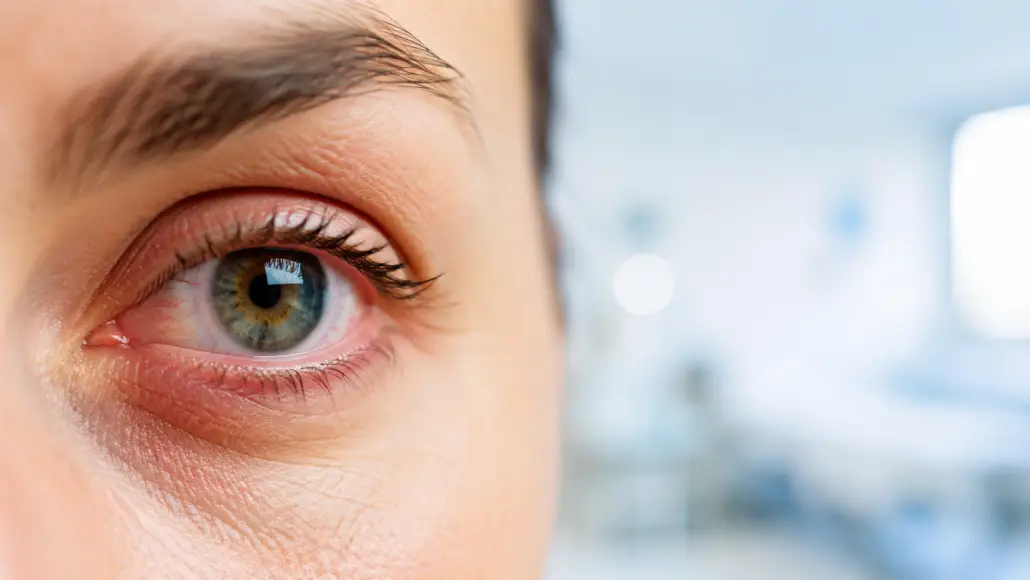
Dry eyes are one of the most common reasons people seek help from an eye specialist. The name can sound simple, but dry eye disease is often more complex than just “not having enough tears”. Many people with dry eyes actually experience watery eyes, fluctuating vision, burning, redness, light sensitivity or a gritty feeling, almost as if there is sand or an eyelash in the eye.
For some people, dry eyes are a mild irritation that comes and goes. For others, the symptoms can affect reading, driving, screen use, contact lens wear and quality of life. Dry eye can also be particularly important before cataract surgery, refractive lens surgery or premium lens implant planning, because an unstable tear film can affect comfort, visual quality and the accuracy of eye measurements.
What Are Dry Eyes?
Dry eye disease happens when the eye does not produce enough tears, or when the tears evaporate too quickly. Healthy tears are not just water. They form a carefully balanced tear film across the surface of the eye, helping to keep the eye smooth, comfortable and optically clear.
The tear film has three important parts. The watery layer keeps the eye moist. The oily layer, produced by the meibomian glands in the eyelids, helps stop tears from evaporating too quickly. The mucus layer helps the tears spread evenly across the eye.
When any part of this system is disrupted, the surface of the eye can become dry, inflamed and unstable. This is why dry eye symptoms often fluctuate during the day and may worsen with screens, heating, air conditioning, wind, reading or long periods of concentration.
What Causes Dry Eyes?
The two main causes of dry eyes are reduced tear production and increased tear evaporation.
Reduced tear production means the eyes are not producing enough of the watery part of the tear film. This can happen with age, hormonal changes, autoimmune conditions, certain medications and medical conditions that affect the tear producing glands.
Increased tear evaporation means the eyes may produce enough watery tears, but the tear film dries out too quickly. This is commonly linked to meibomian gland dysfunction, where the tiny oil glands in the eyelids become blocked or do not release good quality oil. Without enough oil, the watery layer of the tears evaporates too quickly.
In clinical practice, evaporative dry eye is very common. It is often associated with meibomian gland dysfunction and blepharitis, which is inflammation around the eyelid margins. Patients may notice crusting around the lashes, red eyelid edges, burning, watering, blurred vision or a gritty sensation.
Evaporative Dry Eye and Meibomian Gland Dysfunction
Evaporative dry eye occurs when tears disappear from the eye surface too quickly. The problem is often not the amount of tears, but the quality of the tear film.
The meibomian glands sit along the eyelid margins and release oils into the tear film. These oils help seal the tears and reduce evaporation. When the glands become blocked, inflamed or less effective, the tear film becomes unstable. This can make the eyes feel sore, tired, gritty or watery.
Meibomian gland dysfunction is one of the most common contributors to dry eye symptoms. It can be made worse by blepharitis, long periods of screen use, incomplete blinking, dry environments, air conditioning and some skin conditions such as rosacea.
Aqueous Deficient Dry Eye
Aqueous deficient dry eye occurs when the eye does not produce enough of the watery part of the tears. This can be linked with ageing, hormonal change, autoimmune disease or medical conditions that affect the lacrimal glands.
Some people with aqueous deficient dry eye may also have dry mouth, joint pain, fatigue or other symptoms linked with systemic conditions. In these cases, the eye symptoms may be part of a wider health issue and should be assessed properly.
Common Risk Factors for Dry Eyes
Dry eyes become more common with age, especially after the age of 50. Hormonal changes, particularly around and after the menopause, can also increase the risk.
Long periods of screen use are another major trigger. When looking at a phone, computer or tablet, people tend to blink less often. This means the tear film is not spread properly across the eye and the oil layer may not be distributed effectively. The result is faster tear evaporation and more irritation.
Environmental factors can make dry eye worse. Air conditioning, central heating, dry air, wind, dust, smoke and low humidity can all increase evaporation from the eye surface.
Contact lens wear can also contribute to dry eye symptoms, especially when lenses are worn for long hours or when the tear film is already unstable.
Certain medications can reduce tear production. These may include some antihistamines, decongestants, antidepressants, diuretics and blood pressure medicines. You should not stop prescribed medication without advice from your doctor, but it is worth discussing your symptoms if dry eyes start after a medication change.
Underlying health conditions can also play a role. Sjögren’s syndrome, rheumatoid arthritis, lupus, thyroid disease and some skin conditions may be associated with dry eye symptoms.
Can Dry Eyes Affect Vision?
Yes, dry eyes can affect vision. This is one of the most overlooked parts of dry eye disease.
The tear film is the first optical surface that light passes through when entering the eye. If that tear film is unstable, light does not enter the eye evenly. This can cause blurred vision, glare, ghosting, fluctuating focus and visual tiredness.
A common sign is vision that improves briefly after blinking, then becomes blurred again. Patients may say their glasses seem inconsistent, or that their vision changes during the day. This can be especially noticeable when reading, driving at night, using screens or working in dry indoor environments.
Dry eye is also important before cataract surgery or refractive lens based surgery. If the tear film is unstable, measurements used for lens planning may be less reliable. Treating dry eye before surgery can help improve the quality of the assessment and may support better visual outcomes.
Why Do Dry Eyes Sometimes Water?
It may sound contradictory, but watery eyes are a common symptom of dry eye disease.
When the eye surface becomes irritated, it can trigger reflex tearing. These watery tears are produced as a response to irritation, but they may not have the right balance of oil, water and mucus to lubricate the eye properly. As a result, the eyes can feel dry and watery at the same time.
This is one reason why a proper eye examination is important. Treating watering as simply “too many tears” can miss the underlying dry eye problem.
Symptoms of Dry Eyes
Dry eye symptoms vary from person to person. Some people feel a mild dryness or tiredness. Others experience burning, stinging, grittiness, redness, watering, blurred vision, light sensitivity or discomfort when wearing contact lenses.
Symptoms may be worse in the morning if the eyelids or oil glands are inflamed. They may also worsen later in the day after screen use, reading, driving or working in heated or air conditioned rooms.
If symptoms are persistent, one sided, painful, associated with significant redness or linked with a change in vision, they should be assessed by an eye care professional.
How Are Dry Eyes Diagnosed?
Dry eye should not be treated as a guess. A proper assessment looks at the surface of the eye, eyelids, tear film and meibomian glands.
An ophthalmologist may examine the eye using a slit lamp microscope. Special dyes may be used to assess the tear film and look for areas of dryness or surface damage. Tear break up time can show whether the tears are evaporating too quickly. The eyelid margins can also be checked for blepharitis or meibomian gland dysfunction.
The aim is to identify the type and severity of dry eye, because treatment should be based on the cause. A patient with blocked oil glands may need a different treatment plan from someone with poor aqueous tear production or autoimmune related dry eye.
How Do You Stop Eyes From Getting Dry?
The best approach is to protect and stabilise the tear film.
Preservative free lubricating eye drops can help soothe the eye surface and are often used as a first step, especially if drops are needed frequently. Eye gels or ointments may be useful at night, although they can blur the vision temporarily.
Warm compresses can help when meibomian gland dysfunction is present. Applying gentle warmth to the closed eyelids can soften the oils in the glands. This is often followed by gentle lid massage and eyelid cleaning, but it should be done carefully and consistently.
Screen habits also matter. Taking regular breaks, blinking fully and positioning the screen slightly below eye level can help reduce evaporation. A humidifier may help in dry rooms. Avoiding direct airflow from fans, car vents and air conditioning can also reduce symptoms.
Contact lens wearers may need to reduce wearing time or use glasses during flare ups. In some cases, specialist contact lens advice may be needed.
Do Vitamins Help With Dry Eyes?
Nutrition can support eye health, but vitamins should not be presented as a guaranteed cure for dry eye disease.
Omega 3 fatty acids may help some patients, particularly where meibomian gland dysfunction is present, although results vary and supplements are not suitable for everyone. Vitamin A is important for the ocular surface, but deficiency is uncommon in the UK and excessive intake can be harmful. Vitamin D and Vitamin B12 have been linked in some studies with ocular surface health, but supplementation should be guided by individual need, diet, medical history and professional advice.
The safest approach is to maintain a balanced diet and seek medical advice before starting supplements, especially if you take blood thinning medication, have liver disease, are pregnant, or are already taking other supplements.
Treatment Options for Dry Eyes
Dry eye treatment depends on the cause and severity.
For mild dry eye, regular lubricating drops, eyelid hygiene, warm compresses and environmental changes may be enough.
For evaporative dry eye linked to meibomian gland dysfunction, treatment may focus on improving oil gland function. This can include warm compresses, lid hygiene, targeted eyelid treatments and, in some cases, clinic based procedures.
For inflammatory dry eye, prescription eye drops may be considered after specialist assessment. If blepharitis is present, eyelid cleaning and sometimes medical treatment may be required.
For more severe aqueous deficient dry eye, options may include stronger lubricants, gels, ointments, anti inflammatory treatment or punctal plugs, which help reduce tear drainage from the eye surface.
Where the surface of the eye is damaged or slow to heal, a biological bandage such as an Omnigen amniotic membrane may be considered.
The key point is that dry eye treatment should be personalised. Simply buying random drops may provide short term comfort, but it may not address the underlying reason the eyes are dry.
Specialist Dry Eye Assessment With an Award Winning Ophthalmic Surgeon

Dry eye disease can be frustrating, especially when symptoms affect reading, driving, screen use, contact lens wear or confidence before cataract surgery. The right treatment starts with the right diagnosis.
Mr Vinod Gangwani is a Consultant Ophthalmic Surgeon and corneal specialist with more than 20 years of experience in ophthalmology. His expertise includes cataract surgery, corneal disease, ocular surface disorders and refractive lens based surgery. In 2025, he was recognised with the European Award in Medicine in the Ophthalmology category, reflecting his contribution and standing within the field.

Mr Gangwani has also participated in the European Dry Eye Society Congress, with EuDEC 2026 taking place in Milan, Italy. The congress brings together international eye care professionals focused on dry eye and ocular surface disease, helping specialists stay connected with current thinking, research and clinical approaches in this important area of eye health.
If your eyes feel gritty, watery, sore, tired or intermittently blurry, book a specialist consultation with Mr Vinod Gangwani to understand the cause of your dry eye symptoms and receive a treatment plan tailored to your eyes.
Book a consultation today through vinodgangwani.co.uk.
When Should You See an Eye Specialist?
You should seek professional advice if dry eye symptoms continue for more than a few weeks despite home care, if your vision is affected, if you have significant redness or pain, or if symptoms are interfering with daily life.
You should seek urgent advice if you have a painful red eye, sudden vision loss, severe light sensitivity, an eye injury, or a red eye while wearing contact lenses.
Patients considering cataract surgery, refractive lens exchange or premium lens implants should also have dry eye symptoms assessed before surgery. A healthy tear film is important for comfort, accurate measurements and quality of vision after treatment.
Dry Eye Care With Mr Vinod Gangwani
Mr Vinod Gangwani’s specialist background in cataract surgery, corneal disease and refractive lens based surgery gives him a detailed understanding of the ocular surface and how dry eye can affect comfort, vision and surgical planning.
Dry eye disease can be frustrating, but it is manageable when the cause is properly identified. Whether your symptoms are mild, persistent or linked with another eye condition, a specialist assessment can help guide the right treatment plan.
If your eyes feel gritty, sore, watery, tired or intermittently blurry, it may be time to arrange an eye consultation and find out what is really causing the problem.
Newer modalities of treatment
- Omnigen: Amniotic membrane transplant for severe dry eyes. Omnigen is a dry and stable human amniotic membrane-derived material. Amniotic membrane can be used to aid the natural healing process.
- Lacrifill:
It is an FDA-cleared and CE-marked cross-linked hyaluronic acid gel used to treat dry eye disease. Applied in-office without needles or surgery, the gel gently blocks tear drainage channels, allowing your natural tears to linger on the eye surface for up to six months.
Book a Dry Eye Consultation
Dry eyes should not be ignored if symptoms are persistent, worsening or affecting your vision. With specialist expertise in corneal disease, ocular surface problems, cataract surgery and refractive lens based surgery, Mr Vinod Gangwani can assess the underlying cause and guide you towards the most appropriate treatment.
Book a consultation with Mr Vinod Gangwani today and take the first step towards clearer, more comfortable vision.
FAQs About Dry Eyes
What is the main cause of dry eyes?
The main causes are reduced tear production or tears evaporating too quickly. A common reason for rapid evaporation is meibomian gland dysfunction, where the oil glands in the eyelids become blocked or produce poor quality oil.
What are the two main types of dry eye?
The two main types are evaporative dry eye and aqueous deficient dry eye. Evaporative dry eye happens when tears dry too quickly. Aqueous deficient dry eye happens when the eye does not produce enough of the watery part of the tears.
Can dry eyes make vision blurry?
Yes. Dry eyes can cause fluctuating blurred vision because the tear film becomes unstable. Vision may briefly improve after blinking, then blur again.
Why are my eyes watery if they are dry?
Dry eyes can trigger reflex tearing. These watery tears are a response to irritation, but they may not lubricate the eye properly.
Are dry eyes common after cataract surgery?
Dry eye symptoms can occur or become more noticeable after eye surgery. If you already have dry eye, it is important to assess and manage it before cataract surgery or lens based surgery.
Are eye drops enough for dry eyes?
Eye drops can help, but they may not be enough if the underlying cause is eyelid inflammation, meibomian gland dysfunction, autoimmune disease or another eye condition. Persistent symptoms should be assessed.
What is the best treatment for dry eyes?
There is no single best treatment for everyone. Treatment depends on whether the problem is reduced tear production, rapid tear evaporation, eyelid inflammation, meibomian gland dysfunction or another cause.
Can dry eyes make you feel tired?
Yes. When the tear film is unstable the eyes have to work harder to keep vision clear, so they can feel heavy and tired, especially after reading or screen work. Tiredness that eases with rest, blinking or lubricating drops is a common sign of dry eye.
Can screen use cause dry eyes?
Yes. Screen use can worsen dry eye because people blink less often when concentrating. This reduces tear spreading and increases evaporation.
Should I see an ophthalmologist for dry eyes?
You should consider seeing an ophthalmologist if symptoms are persistent, vision is affected, the eye is painful or red, or you are planning cataract or refractive lens based surgery.
Related guides: dry eyes and blurry vision, blepharitis, meibomian gland dysfunction and cataract surgery. To arrange a specialist assessment, book a consultation or call 07307 267033.