If you’ve spent much time by the sea or in sunny, windy conditions, you might have heard of
pterygium, often cheekily referred to as “surfer’s eye.” It’s a condition that affects many
outdoor enthusiasts, but it’s not just for surfers, anyone who’s regularly exposed to UV light,
wind, or dust could be at risk. This article will take you through everything you need to know
about pterygium, from its symptoms and causes to how it’s treated and, most importantly,
how you can prevent it from taking a toll on your eye health.
What Is Pterygium (Surfer’s Eye)?
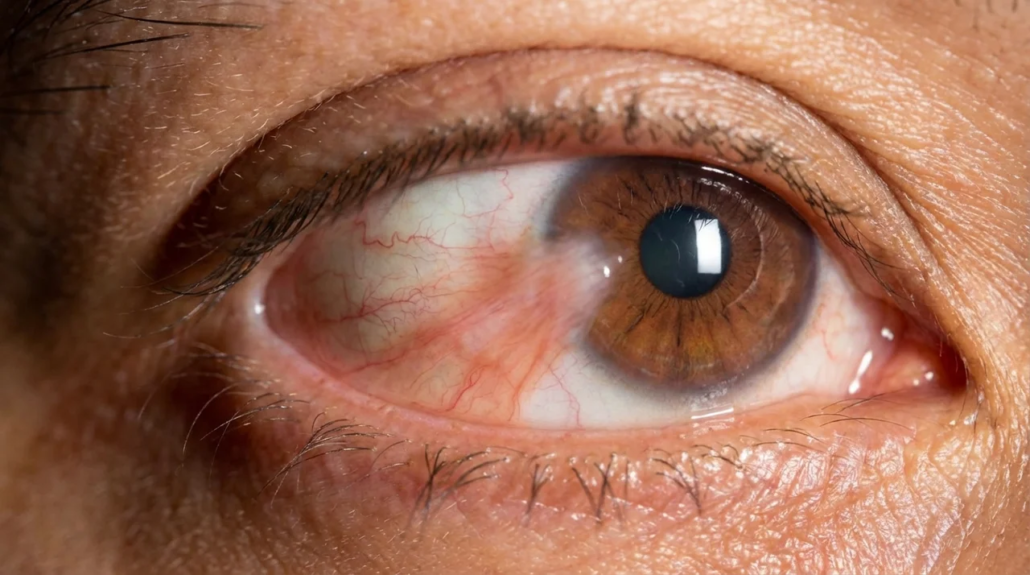
Pterygium, often called “surfer’s eye,” is a noncancerous growth of the conjunctiva (the thin
tissue covering the white part of your eye) that extends onto the cornea. It’s typically
triangular in shape and can cause irritation, redness, and sometimes even changes to your
vision. While it might sound alarming, it’s generally treatable, and in many cases, can be
prevented with a few simple steps.
Symptoms of Pterygium
So, how can you tell if you have pterygium? The symptoms can vary, but some of the most
common include:
- Redness and Irritation
The most obvious sign is a fleshy, pink or white growth on the white part of your eye. This
growth is often triangular in shape and extends towards the cornea. It can cause persistent
irritation, making your eyes feel sore or tender.
- Foreign Body Sensation
You may experience a sensation as though there’s something gritty or sandy in your eye.
This is due to the growth affecting the tear film, making the eye feel dry and uncomfortable.
- Vision Changes
If the pterygium grows large enough to extend into the centre of your cornea, it can cause
blurry or decreased vision. This is because it can induce astigmatism, a condition where light
entering the eye is not properly focused.
- Dryness
The pterygium may disrupt your eye’s natural lubrication, leading to dryness. This can
worsen symptoms of dry eye, making your eyes feel scratchy and tired.
What Causes Pterygium?
The main culprit behind pterygium is chronic exposure to ultraviolet (UV) light, but
several environmental factors also play a role. Here’s a deeper look at the causes:
- UV Exposure
The biggest risk factor for developing pterygium is long-term exposure to UV rays. UV light
damages the conjunctiva over time, leading to abnormal growth. This is especially common
in individuals who spend a lot of time outdoors without eye protection.
- Environmental Factors
People living or working in areas with high wind, dust, or dry conditions are more prone to
developing pterygium. Think of those who work outdoors in construction or agriculture, or
beachgoers who spend long hours under the sun.
- High-Risk Groups
If you’re based in tropical regions or live closer to the equator, you’re more likely to develop
pterygium due to the stronger UV exposure in these areas.
- Why It’s Called “Surfer’s Eye”
The term “surfer’s eye” comes from the fact that surfers and beachgoers are at a higher risk
of developing pterygium. This is due to the UV rays reflecting off the water, giving them
double the exposure.
How Is Pterygium Diagnosed?
Diagnosis of pterygium typically involves a thorough eye exam. The slit-lamp microscope
is used to examine your eyes in detail, allowing the optometrist or ophthalmologist to assess
the size and location of the growth. In most cases, the diagnosis is straightforward, but if you
have concerns, don’t hesitate to visit your eye doctor for an accurate assessment.
Treatment Options for Pterygium
- Conservative Treatment
If your pterygium isn’t causing significant vision issues, your doctor may recommend
lubricating eye drops (artificial tears) to alleviate dryness and discomfort. For more severe
inflammation, steroid eye drops might be prescribed to reduce swelling.
- Surgical Treatment
In cases where the growth interferes with your vision or causes significant irritation, surgical
removal may be necessary. The surgery is straightforward, though in some cases,
pterygium can recur. To reduce this risk, doctors often use conjunctival autografting,
where tissue from another part of the eye is transplanted to cover the area after removal.
- Recurrence
While the risk of recurrence is present, with proper surgical techniques, it can be minimised.
Your doctor will advise you on the best post-surgery care to avoid regrowth.
How to Prevent Pterygium
Prevention is key, and fortunately, there are several measures you can take to protect your
eyes:
- Wear UV-Protective Sunglasses
Invest in high-quality sunglasses that block 99-100% of UV-A and UV-B rays. These will
protect your eyes from harmful UV rays that can lead to pterygium. Make sure to wear them
whenever you’re outside, even on cloudy days.
- Use a Wide-Brimmed Hat
For additional protection, wear a wide-brimmed hat to block out the sun’s rays. This helps
shade your eyes from direct sunlight, particularly when you’re outdoors for extended periods.
- Lubricating Drops
If you’re in dry, windy conditions, use lubricating drops to keep your eyes hydrated. This
will prevent the discomfort caused by dryness and the potential development of pterygium.
Pterygium might sound like an intimidating condition, but with the right precautions, it’s
manageable. By wearing UV-protective sunglasses, staying hydrated with lubricating drops,
and avoiding excessive sun exposure, you can reduce the chances of developing surfer’s
eye. However, if you do start noticing symptoms like irritation or vision changes, be sure to
visit your optometrist for an eye exam. Early diagnosis and treatment can prevent any further
complications and ensure your eyes stay healthy.
Have you experienced pterygium or any eye irritation from sun exposure? Share your story
in the comments below! Don’t forget to protect your eyes and let us know if you have any
questions on keeping your vision sharp!