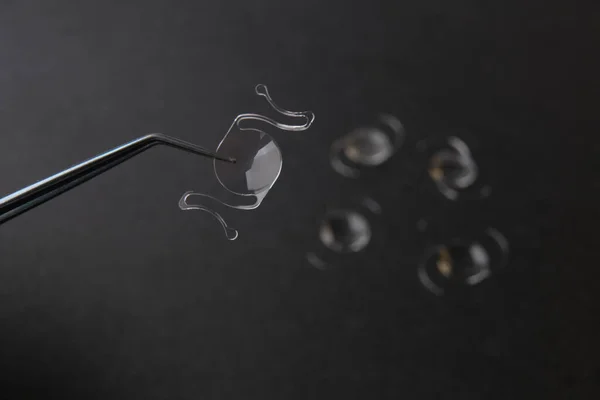
For those seeking a permanent solution to achieve visual freedom, understanding the advanced lens implants used in Refractive Lens Exchange (RLE) and cataract surgery is the first step. These sophisticated intraocular lenses (IOLs) do more than just replace your natural lens; they can correct presbyopia, astigmatism, and high prescriptions, often significantly reducing dependency on glasses. But with several premium lens implants available, how do you know which one is right for you? This guide explores the five key types of lens implants and the factors that determine if you are a suitable candidate for this transformative vision correction procedure.
The Procedure
- Eye drops numb the eye – no need for a full general anaesthetic, just local anesthesia as eye drops.
- A tiny incision is made in the side of the cornea.
- The natural lens is removed with ultrasound and taken out.
- The surgeon inserts a new IOL( implant) that’s specifically selected for your vision requirements.
- The wound seals itself, often without stitches.
The surgery, often referred to as lens replacement surgery, typically takes 15 to 30 minutes per eye, and most patients go home the same day. Follow the post-op instructions to ensure a smooth experience during this vision correction procedure.
The Difference
RLE isn’t the same as laser eye surgery. Laser reshapes the cornea to alter how light enters the eye, while RLE does away with the lens altogether. It means RLE can serve multiple vision problems simultaneously, such as difficulties with both distance and near sight, or even high hyperopia that lasers struggle to correct effectively. RLE can liberate you from glasses or contact lenses, particularly if you’d rather not bother with taking them on and off every day or cleaning.
For most, the results are permanent as the synthetic lens will never deform or become opaque like the eye’s natural one and not everyone will be a good candidate.
Role of Intraocular Lenses
IOLs are central to refractive lens exchange surgery’s success. They vary in type, some correct only distance, others assist with both distance and reading, and some cater to astigmatism. The correct intraocular lens can reduce glare or halos, although some do notice these visual side effects, particularly at night. Most will be able to drive within a week, but full visual clarity could take up to few months.
Are You a Suitable Candidate?
Who is a candidate for refractive lens exchange surgery (RLE)? Factors such as eye conditions and the ability to meet expectations play a crucial role in determining if lens replacement surgery is suitable for your lifestyle. A comprehensive eye exam and honest self-reflection should aid in this decision.
1. Your Age
The majority of RLE considerers are over 50. This is usually when presbyopia (the loss of near vision) begins to interfere with everyday life. Age is a huge factor, given that vision changes and cataracts can set in during this period.
People in their 50s and older often see genuine advantage from lens replacement. RLE not only repairs both near and far away vision but benefits those who aren’t so keen on reading glasses. Being older increases the chance of developing cataracts, which means RLE can be an ingenious solution for both presbyopia and early cataracts simultaneously.
2. Your Prescription
RLE is suited for those with stable vision, meaning you need no major adjustments to your eyewear prescription for two years, at a minimum. If you’re nearsighted, farsighted or have astigmatism, RLE could be a solution, even if LASIK or other laser options are eliminated. Others, for instance, have such high prescriptions that lasers can’t safely correct, but lens implants can.
Modern lens technology allows these implants to be matched to your own prescription. Multifocal lenses, for example, assist with both near and far focus, which is useful for patients with presbyopia or early cataracts. Not all prescriptions will be ideal, so an in-depth discussion with your physician will illuminate what’s achievable.
3. Your Eye Health
Clear, healthy eyes are key for RLE. Conditions such as glaucoma or mature cataracts will impact your luck.
A thorough visual examination is essential as this identifies any underlying problems and determines whether your eyes are fit for surgery. People with eye diseases or specific health issues might not be good candidates, so this test is your first major step.
4. Your Lifestyle
Always-on-the-go types or glasses haters could look to RLE as an escape route. If you swim, travel or depend on good vision in the dark, life without glasses can be a major advantage.
Your daily habits count. If you regularly lose or smash glasses, or lenses irritate you, that’s a sure indication RLE could work. Yet, recovery is a gradual process, and not all exercises are appropriate immediately post-operation.
How reliant you are on glasses steers your decision. Other patients may still need reading glasses, especially in low light conditions but the objective is to reduce dependence as much as possible.
For those who hate glasses, RLE can be freeing.
Comparing Your Vision Correction Options
Vision correction isn’t one-size-fits-all. ‘Everyone has choices and they have their pluses and minuses. Here are some of the most common options:
- Refractive lens exchange (RLE)
- Laser-assisted in situ keratomileusis (LASIK)
- Implantable collamer lenses (ICLs)
- Glasses or contact lenses
Each option works well for specific vision requirements, age ranges, and lifestyles. Choosing the best one for you means understanding what each can and can’t do, and how they suit your lifestyle and future plans. Always consult with a trusted eye care professional before deciding.
RLE vs LASIK
| Aspect | RLE | LASIK |
| Suitability | Over 50, high refractive errors, presbyopia, astigmatism | 20–40, mild/moderate myopia/hyperopia, astigmatism |
| Recovery time | 1–2 days noticeable improvement | Few hours to a day |
| Invasiveness | More invasive, lens replaced | Less invasive, reshapes cornea |
| Long-term outcomes | No cataract risk, permanent change | May need repeat after years, corneal stability needed |
| Complications | Rare, but possible retinal detachment | Dry eyes, glare, under/over-correction |
RLE is ideal for those aged 50 plus who experience both nearsightedness and farsightedness or high refractive errors that LASIK will not correct. LASIK is best for younger adults with stable, mild-moderate vision problems. RLE recovery is rapid, but LASIK is faster. RLE is more invasive because it replaces your natural lens with an artificial one whereas LASIK merely alters the shape of your cornea.
Lifestyle is a factor too. If you’re sporty or your work requires excellent vision at all distances, RLE’s lens options (monofocal, multifocal, or accommodating) may be what you’re looking for. LASIK works for patients who want fast results and very little downtime.
RLE vs ICLs
| Aspect | RLE | ICLs |
| Best for | Over 50, presbyopia, cataract risk | Under 40, thin corneas, high myopia |
| Reversibility | Permanent, non-reversible | Reversible, lens can be removed |
| Long-term effect | No cataract risk, stable correction | Preserves natural lens, cataract risk remains |
| Recovery | Days | Days |
If you’re over 50, having difficulties reading small text, or want to avoid future cataracts, RLE is probably the better option. ICLs are great for under-40s with thin corneas or really strong prescriptions where LASIK isn’t possible. RLE is a one-way street – once performed, the lens is there to stay for life. ICLs can be removed, so if you change your mind or the technology improves, you have options.
Consider how long you want your decision to be permanent. For some, a reversible procedure such as ICLs is reassuring, while others appreciate the “do once, forget” approach of RLE.
The Surgeon’s Perspective on Candidacy
Opting for refractive lens exchange surgery (RLE) is never a simple, universal answer. Surgeons think about much more than age or prescription weight. Their expertise and experience determine who will benefit from this vision correction procedure, who may not, and who will have to make compromises. They consider everything – eye health, vision requirements, and long-term wellbeing – through a thoughtful, individualized lens.
Lens Technology
Lens technology has advanced. Now, there’s a buffet of IOLs to choose from – multifocal for those who want to ditch reading glasses, toric lenses for those with astigmatism, and extended depth-of-focus options for a range of distances. They’re being offered these new lenses, which can sharpen vision and cut down on their need for specs.
Some lenses assist patients with early cataracts or early lens changes, providing an option when other laser surgeries are not appropriate. If you’re myopic, hyperopic or astigmatic and over-50, you should be able to benefit from these new alternatives. It’s a good idea to ask your surgeon what’s new in lenses and whether you qualify.
Long-Term Vision
RLE provides stability. Once the lens is replaced, the threat of cataracts diminishes, so there’s less concern about needing another procedure years down the line. Most RLE patients report their vision remains stable for years, without the fluctuations that occasionally accompany laser eye surgery.
For myopic patients with terrible vision due to failing lenses, RLE can equate to sharper vision and a happier life. The decision reaps enduring rewards – a possibility of reading, driving, working without the haze.
Trust in Experience
Not every eye is the same, which is why refractive lens exchange surgery is crucial for those who cannot undergo LASIK. Surgeons employ their expertise to pair each patient with the appropriate lens replacement options and method, ensuring a personalised plan for clear vision.
The Assessment and Procedure Journey
The journey to refractive lens exchange surgery (RLE) begins with a careful and structured assessment. This process is not merely about checking your eyes; it aims to align your vision needs, health background, and lifestyle with the best lens replacement options. From the initial consultation with an ophthalmologist to the day of the surgery and subsequent aftercare, each step is crucial in providing you the best chance of achieving clear vision.
Initial Consultation
Everything starts with the first consultation at a vision care clinic, where you can discuss your eye conditions and everyday vision challenges. This appointment frequently serves as an opportunity to delve into your medical history, including diabetes, glaucoma, and any medications you take. This information is crucial for your eye surgeon to choose the safest path for your lens replacement surgery.
Comprehensive tests come next. Expect measurements for eye length, corneal thickness, and pupil size. Your prescription and vision are checked, and the doctor may use imaging or scans to create a full map of your eyes. This thorough evaluation helps to select the right intraocular lens for your specific needs and spot any potential risks early, especially if you are considering advanced lens replacement surgeries.
You can (and should) take a list of questions for your consultation. For instance, inquire about what your vision will be like post-refractive lens exchange surgery, how long recovery takes, and whether you will need to wear glasses afterward. This is your chance to receive answers and feel prepared for the upcoming surgical procedure.
The Procedure Day
On surgery day, everything happens fast but with serenity. You’ll check in, a couple of checks, and you’re prepped for the procedure. Most patients have the procedure one eye at a time, although some surgeons will do both eyes on the same day for convenience.
Anaesthesia is administered – typically eye drops to anaesthetise the area, sometimes under light sedation from an anaesthetist. It keeps you pain-free and relaxed. The entire procedure, from prep to final was, most usually, done in a couple of hours. Then the staff will ensure your comfort and checks before you head home.
You can’t drive yourself, so you better get a ride home. It’s probably a good idea to have somebody around for a day, just in case. Most people sleep after surgery, but can watch TV or read a couple of hours later, a comfort to many.
Post-Procedure Care
- Administer prescribed eye drops as directed (usually for 4 weeks).
- Avoid rubbing or touching your eyes.
- Avoid water, soap and shampoo in your eyes for a week.
- Wear eye shields at night if advised.
- Rest on the day of surgery, but gentle activity is okay the next day.
Follow-up appointments are key.” Your doctor will check healing, vision, and any early complications. Skipping these can delay recovery or overlook problems.
Certain side effects, such as minor grittiness or light sensitivity, are to be expected and subside within days. Intense pain or abrupt vision loss is uncommon but requires an immediate call to your clinic.
Follow your eye care scheme. Eye drops, rest and follow-ups all aid your recovery and vision.
Weighing The Benefits and Risks
Refractive lens exchange surgery (RLE) can transform your view of the world. For many, it’s an easy, quick operation – only ten minutes per eye – for better vision. Most of us over 50, who can’t read the small print or focus on things nearby, dream of lens replacement surgery. That’s because our eye lens hardens with age – a condition known as presbyopia. RLE replaces the old lens with a new one, allowing us to see better without constantly grabbing our specs.
The promise of eventual vision correction is the primary attraction of refractive lens surgery. You may reduce your dependency on spectacles or contacts – and in some cases, not require them at all. Most walk away being able to see perfectly well in all kinds of light, whether sunny or murky. There’s little to maintain post-op, too. Unlike contact lenses, there’s no daily hassle. Most individuals return to their normal routines after a week or so, although sharp sight can take a couple more weeks to establish.
However, lens replacement is not for everyone. It doesn’t correct every vision difficulty, and some people still require glasses, at least for certain tasks. After surgery, you may experience a little scratchiness, blurred vision, or increased light sensitivity for a few days. Some individuals require time to adapt to their new lenses, particularly if they choose multifocal options. Some may perceive halos or glare at night, which can be strange or distracting, especially when driving. These visual side effects improve most of the time, but not always.
As with any surgical procedure, there are risks, albeit rare. Eye infections, swelling, or even a detached retina can occur. Certain dangers are elevated in patients with other ocular issues or diseases. It is essential to know these facts, not just the fairy tales. Your eye care specialist will measure your eyesight and discuss your health before informing you whether RLE is suitable.
Think of RLE as ‘fixing sight’ rather than getting rid of glasses. It’s a massive shift, one that can determine how you spend your days. Take a moment to consider what you’re getting out of it, versus what you may be losing. Queries, read the small print, and ensure you feel confident before you agree.